If you boot up LoL Classic on July 29, 2026 expecting the League you played last week, you are going to walk mid and get run over by a system you forgot existed. The short answer on lol classic vs modern: Classic rewinds the whole game to the Season 3 era, which means flat runes and mastery trees instead of the modern keystone system, no elemental drakes, no scuttle crab, no trinkets, and a ranked ladder that stops at Challenger with none of the tiers you grind today. Modern League is the streamlined, systems-heavy game we all queue into now. Here is every big difference that actually changes how you play, laid out side by side so you know what to unlearn before you load in.
The one-glance comparison table
Start here. This is the whole gap between the two versions in one screen, and it is the part you will screenshot before your first game. Everything below just explains the rows in more detail.
| System | LoL Classic (Season 3-era) | Modern League |
|---|---|---|
| Pre-game customization | Runes (marks, seals, glyphs, quintessences) bought with IP, plus 30-point mastery trees (Offense, Defense, Utility) | Modern rune system: keystone plus two paths, free, swapped in champ select |
| Currency | IP (Influence Points) for runes and champs | Blue Essence for champs; runes are free |
| Vision | Green sight wards, pink vision wards, Oracle’s Elixir; you buy and carry them | Free trinket on every champ plus control wards |
| Jungle | Classic camps, old jungle items (Spirit line, Feral Flare), no scuttle crab | Scuttle crab, modern jungle pets/companion, smite upgrades |
| Neutral objectives | Dragon (single, no elements), Baron Nashor | Elemental drakes, Rift Herald, Baron, Void Grubs, Atakhan |
| Items | Retired classics: Heart of Gold, Deathfire Grasp, old shop | Mythic-era rework legacy plus current component tree |
| Champions | ~60 at launch, pre-rework kits (original Graves, Urgot, Sion, etc.) | 170-plus, modern reworked kits |
| Summoner progression | Levels 1-30, unlock rune slots and mastery points as you go | Levels are cosmetic and uncapped |
| Ranked tiers | Bronze to Challenger, no Iron, Emerald, Master, or Grandmaster | Iron to Challenger, including Emerald, Master, Grandmaster |
| Access | Featured game mode inside the Riot Client, same account | The main game |
Classic launches at 8 AM PT on July 29, 2026 alongside Patch 26.15, and it lives inside the client you already have. No separate download, no second account, no emulator server. It is Season 3-inspired rather than pinned to one exact patch, so treat the item stats and numbers as period-accurate rather than a museum recreation of a single build. Riot pulled roughly 60 champions in for launch, the original 40 plus a batch more, and additions get voted in later through a community program called The Council.
Runes and masteries vs the modern rune page
This is the single biggest shock for anyone who started after 2017. In Classic you do not open champ select and pick a keystone. You build rune pages outside of the game and buy the actual runes with IP, the old currency, and they come in four slots: marks (roughly your offensive reds), seals (defensive yellows), glyphs (magic blues), and quintessences (the big flexible ones). A full set of tier 3 runes was a real IP sink, which is exactly why the meta looked the way it did back then. New accounts running around on half-finished pages was normal.
On top of runes you spend 30 mastery points across three trees, Offense, Defense, and Utility. The classic 21/9/0 split is the one every carry ran for a reason. There is no swapping mid-select and no free experimentation, so the pre-game decision actually costs you something. Modern League handed all of that back for free and folded it into the keystone-plus-two-paths system you rework every game. If you want the full breakdown of which pages to build first and how to stop bleeding IP, the LoL Classic runes and masteries guide walks through the efficient setups tier by tier.
The practical takeaway: your power spike is now partly gated behind currency, not just levels and items. That single change makes early Classic feel slower and heavier than the modern game, where everyone shows up in lane fully kitted from champ select.
Jungle, drakes, and the objective game
The jungle is where modern muscle memory will get you killed. There is no scuttle crab in Classic, so the river is not a free vision and priority battleground the way it is today. Junglers run the old camp layout with the classic jungle item line, the Spirit items and the infamous Feral Flare that turned a farming jungler into a late-game monster if nobody shut it down. Smite is a summoner spell, not a system with pet upgrades and companion choices.
Objectives are stripped down too. Dragon is a single creature, not the elemental soul race that defines modern macro. There are no elemental drakes, no Rift Herald charging your bot lane tower, no Void Grubs, no Atakhan. You have Dragon and Baron Nashor, and the map pressure they create is much simpler. The League of Legends Wiki keeps a solid record of how these early Summoner’s Rift systems worked if you want to verify the period details before you queue.
What this means in practice: Classic jungle rewards raw farming and ganking over objective choreography. You are not memorizing a drake-soul timer to plan the next four minutes. You clear, you gank, you snowball, and the whole tempo feels closer to a brawl than the objective chess of the current game. If you main jungle and want the camp routes and item timings mapped out, the LoL Classic jungle guide covers the pathing that actually works without a scuttle to contest.
Vision, trinkets, and the ward economy
Modern League gives every champion a free trinket that refills on a cooldown, so vision is cheap and constant. Classic deletes that entirely. You buy your wards. Green sight wards give you map vision, pink vision wards (the ancestor of the control ward) deny and reveal, and Oracle’s Elixir is a consumable you drink to sweep enemy wards for a while instead of pressing a button on your sweeper.
That turns vision into a real gold decision. Every ward you slot is gold you did not spend on your item spike, so supports genuinely go broke keeping the map lit, and a greedy carry who never buys a pink pays for it in ganks. The mind games around Oracle’s timing were a whole skill of their own. If you grew up on free trinkets, budget for wards from your first back or you will spend the laning phase blind.
Champions and their old kits
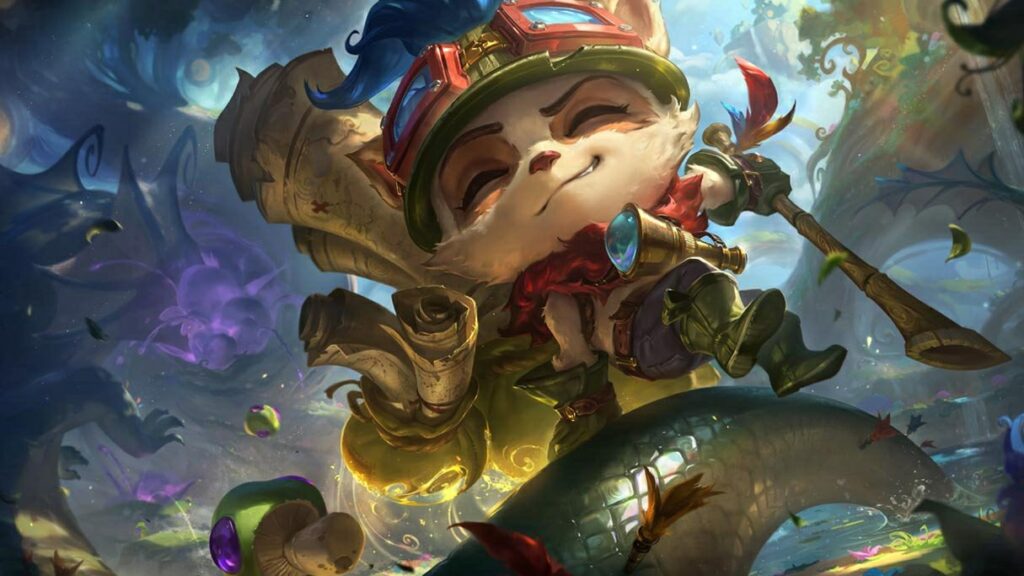
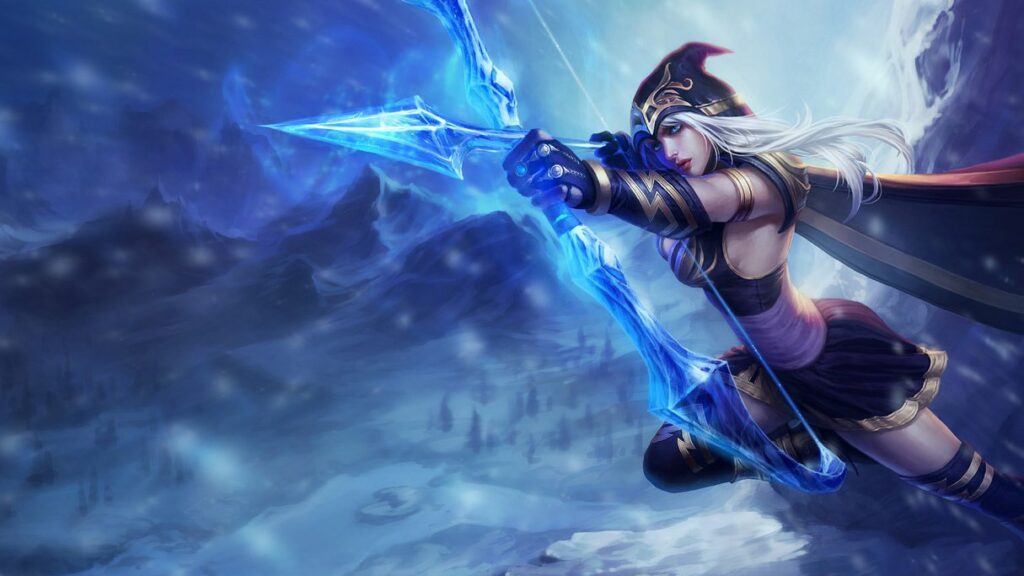
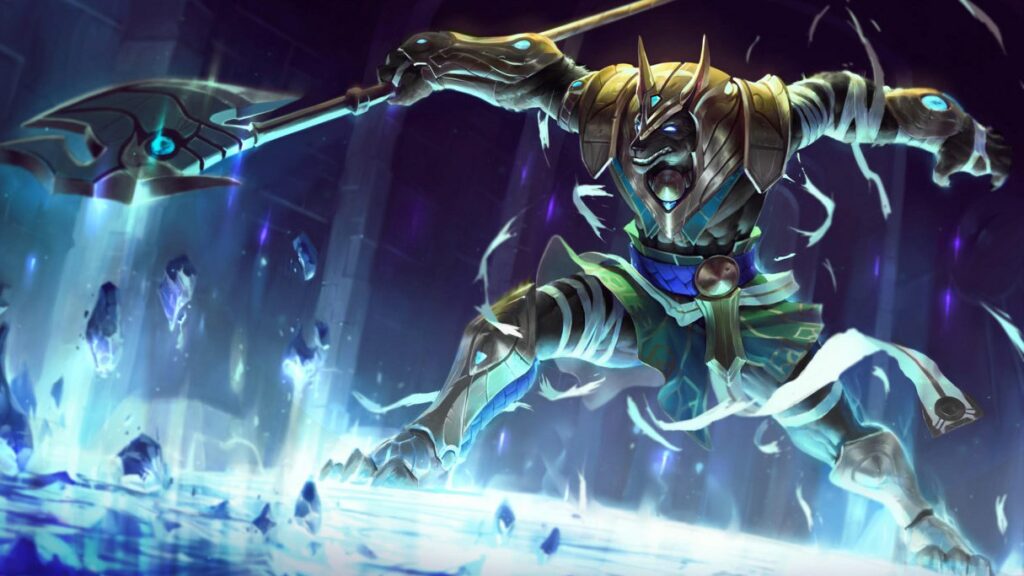
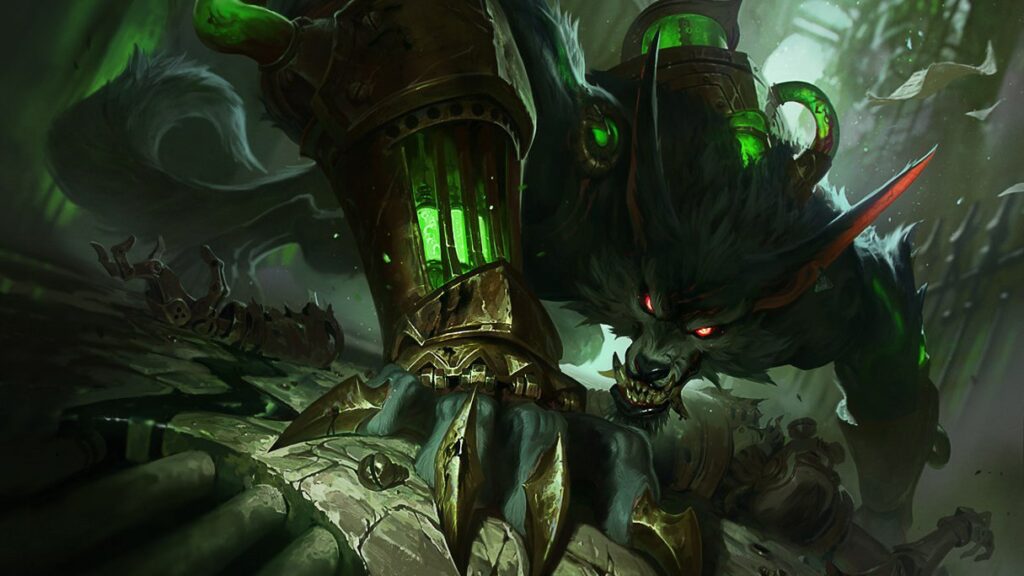
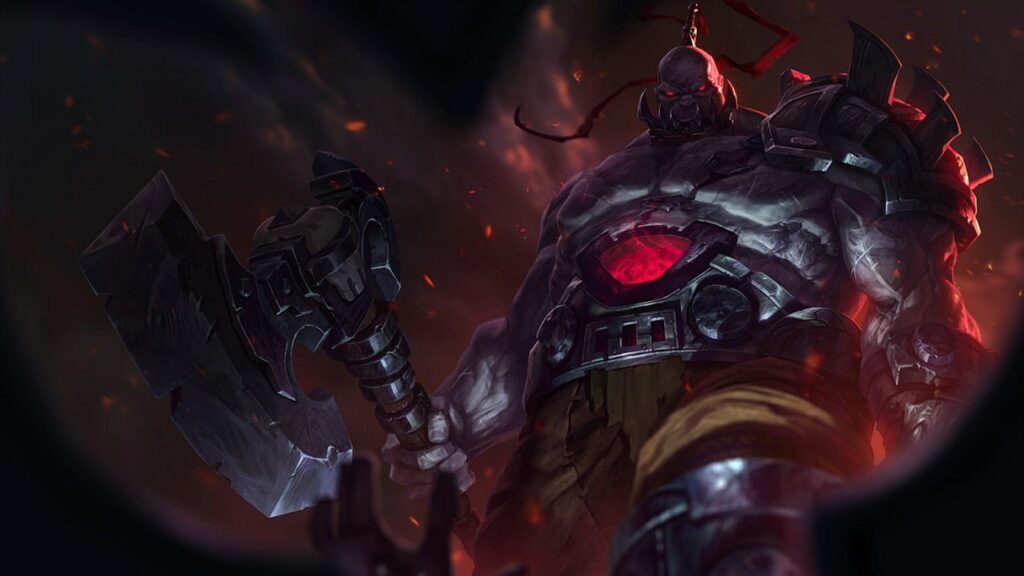
The roster is smaller and, more importantly, the kits are the old ones. Classic ships with names like Alistar, Amumu, Annie, Ashe, Blitzcrank, Corki, Gangplank, Jax, Katarina, Master Yi, Morgana, Nasus, Ryze, Sion, Sivir, Teemo, Tristana, Twisted Fate, Veigar, Warwick, plus the original versions of Graves and Urgot. If you only know modern Graves with his shotgun-reload double shot, original Graves is a different champion built around a completely different kit. Same story with old Sion and old Urgot, which is exactly the nostalgia Riot is selling.
Roughly 60 champions is the launch pool, with more added over time through The Council voting. That is a far cry from the 170-plus you pick from in modern League, and the smaller pool tightens the meta in a way current players will feel immediately. Fewer answers, fewer counters, more games decided by execution on a known set of picks. Our full LoL Classic explainer lays out the complete launch roster and how The Council additions are meant to work.
If you would rather skip the relearning curve entirely and get straight back to a real climb when you head back to modern ranked, our League of Legends boost team handles division climbs, placements, and duo queue on the current patch while you play Classic for the nostalgia. Classic itself has no ranked service and no boost, it is a featured mode, so this is strictly for your modern account.
Ranked tiers and progression
The old ladder is shorter than you remember. Season 3-era ranked ran from Bronze to Challenger with none of the tiers modern players treat as home. There was no Iron below Bronze, no Emerald wedged between Platinum and Diamond, and no split of the top end into Master and Grandmaster above Diamond. You climbed Bronze, Silver, Gold, Platinum, Diamond, Challenger, and that was the whole mountain.
| Ladder position | Season 3-era tiers | Modern tiers |
|---|---|---|
| Entry floor | Bronze (lowest) | Iron (below Bronze) |
| Mid ladder | Silver, Gold, Platinum | Silver, Gold, Platinum, Emerald |
| Upper ladder | Diamond | Diamond |
| Apex | Challenger only | Master, Grandmaster, Challenger |
Worth being clear here: Classic launches as a featured game mode, and a permanent competitive ladder is not guaranteed to run alongside it. Treat the tier comparison as how the Season 3 ranked system was structured, not a promise that Classic ships a live ranked queue on day one. If and when Riot bolts ranked onto it, the tier names above are what the era used. Summoner progression itself was capped too: you leveled 1 to 30, and hitting 30 was the gate to ranked and to your full rune and mastery power. Modern levels are uncapped cosmetics with none of that gating.
Items and the classic shop
The shop is a graveyard of items modern players never got to touch. Classic brings back retired staples like Heart of Gold, the gold-generating tank item that defined the era, and Deathfire Grasp, the burst mage active that could delete a carry on command. The whole component tree is the Season 3 layout, so the builds you memorized on modern League do not exist here. Riot has framed Classic as Season 3-inspired rather than a frozen snapshot, so read item stats as period-accurate flavor, not a stat-for-stat museum piece.
The practical effect is that build paths are simpler and the power items are more centralizing. When a single active like Deathfire Grasp can decide a fight, you build around having it or around surviving it. Dexerto’s ongoing League coverage is a decent neutral place to track which legacy items and champs make the cut as The Council adds to the pool. For the full item-by-item rundown, the LoL Classic items guide maps the classic shop onto what modern players already understand.
Frequently asked questions
Is LoL Classic a separate game or server?
Neither. It is a featured game mode inside the Riot Client you already use. No separate download, no second account, and it does not touch your main account’s rank or progress.
Which exact patch is LoL Classic based on?
It is Season 3-inspired, not pinned to one exact historical patch. Riot pulled the systems and feel from the Season 3 era, so treat item stats and numbers as period-accurate rather than a precise recreation of a single old patch.
Does LoL Classic have ranked with the old tiers?
Classic launches as a featured mode, and a live ranked ladder is not confirmed at launch. The Season 3 era it draws from ran Bronze to Challenger with no Iron, Emerald, Master, or Grandmaster, so if ranked ever arrives, those are the tiers that fit the era.
How many champions are in LoL Classic?
Around 60 at launch, the original 40 plus more, with their old pre-rework kits. More get added over time through a community voting program called The Council. See the full champion list for the launch roster.
Why is there no scuttle crab or elemental drakes?
Both are modern additions that came after the Season 3 era. Classic uses the old jungle and objective layout, so you get a single Dragon and Baron Nashor with no elemental souls, no Rift Herald, and no scuttle to contest in the river.
Do I need to buy runes again in Classic?
Yes. Classic restores the old rune shop, so you buy marks, seals, glyphs, and quintessences with IP and slot them into pages before the game, on top of spending 30 mastery points. It is a real currency cost, not the free modern rune page.
The gap between lol classic vs modern comes down to friction that Riot spent a decade smoothing out: paid runes and masteries, a ward economy with no free trinket, a jungle with no scuttle, and a stripped-down objective map, all wrapped around old champion kits and a shorter ranked ladder. Play Classic for the nostalgia and the heavier, slower tempo, then when you want a real climb on the current ladder, our League of Legends boosting team gets your modern account where it needs to be while you enjoy the throwback.