Going from Dota 2 Ancient to Divine is a roughly 1,500 MMR grind, and the honest one-line answer is this: you do it by shrinking your role, shrinking your hero pool, and cutting the games where your head is not in it. Ancient starts around 3,850 MMR and Divine 1 sits near 5,420 (our read of public trackers like OpenDota, checked mid-2026), so you are climbing about a full medal and a half. This is the bracket where mechanics stop being enough and your macro decisions start deciding games. By the end you will know the exact role, hero pool, and mental habits that get you there.
How the Ancient to Divine gap actually works
The wall between these two medals is decision speed, not hand skill. Ancient players know what to do; Divine players do it two seconds earlier and skip the games they were going to lose anyway. Your MMR moves through the medal system in stars, and each medal spans roughly 770 MMR with about 154 per star, so a single confident carry streak of 4 or 5 wins can jump you a whole medal star in an evening.
Here is the rough MMR map for the neighborhood you are climbing through. Treat these as approximate thresholds, not gospel; Valve does not publish exact numbers and the boundaries drift slightly every ranked season.
| Medal | Approx MMR range | What actually separates it |
|---|---|---|
| Legend | ~3,080 to 3,850 | Laning is passable, map awareness is a coin flip |
| Ancient | ~3,850 to 4,620 | You know the moves; timing and tilt cost you games |
| Divine | ~5,420 to 5,620 | Faster rotations, cleaner drafts, punished mistakes |
| Immortal | ~5,620+ (leaderboard region) | Pure efficiency; everyone already knows the game |
Notice the small dead zone between Ancient 5 and Divine 1. That gap is where most people get stuck for a season, because the matchmaker starts feeding you genuinely competent opponents and your bad habits get exposed every single game. Ranked distribution figures from OpenDota’s public data put Divine and above at a small single-digit slice of the ladder, so clearing this wall means you have left most of the playerbase behind.
Pick one role and actually commit to it
The fastest way to stall in Ancient is queuing all-pick fill and hoping. Pick one core role, pos 1 or pos 2, and grind it for at least 50 games before you judge whether it is working. Cores climb faster out of this bracket than supports because you have the most direct control over whether a game snowballs, and Ancient is full of games that are one good early kill away from being over.
That is not a knock on supports. A great pos 4 or pos 5 carries at every rank, and if that is your comfort zone you should stay there rather than force a role you are worse at. But if you are undecided, the math favors a carry or mid because you can take over lanes yourself instead of relying on a laner who might be having the worst game of their life. The pos 1 who farms 600 GPM and shows up at minute 25 with a two-item lead wins a lot of Ancient games on autopilot.
Whatever you pick, learn its power spikes cold. Offlaners want to start pressuring around minute 10; mids look for their level 6 tempo window; carries need to know the exact item timing that flips a lane from losing to unkillable. If you want a deeper breakdown of which mid heroes snowball out of this bracket, our guide to the best mid heroes for climbing pairs cleanly with this one.
Build a hero pool that wins games by itself
Three to five heroes, max. The climbers who stall are the ones with a 30-hero comfort list and a 48 percent win rate on all of them. The heroes that drag you out of Ancient share one trait: they let you impose your will regardless of what your teammates do. You want self-sufficient, snowbally picks that do not need a five-man coordinated smoke to be useful.
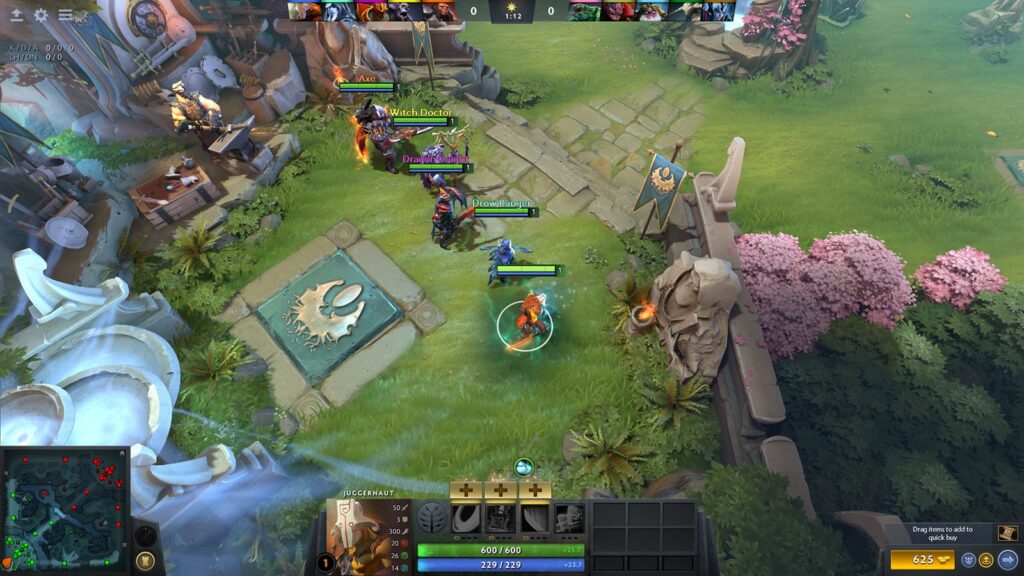
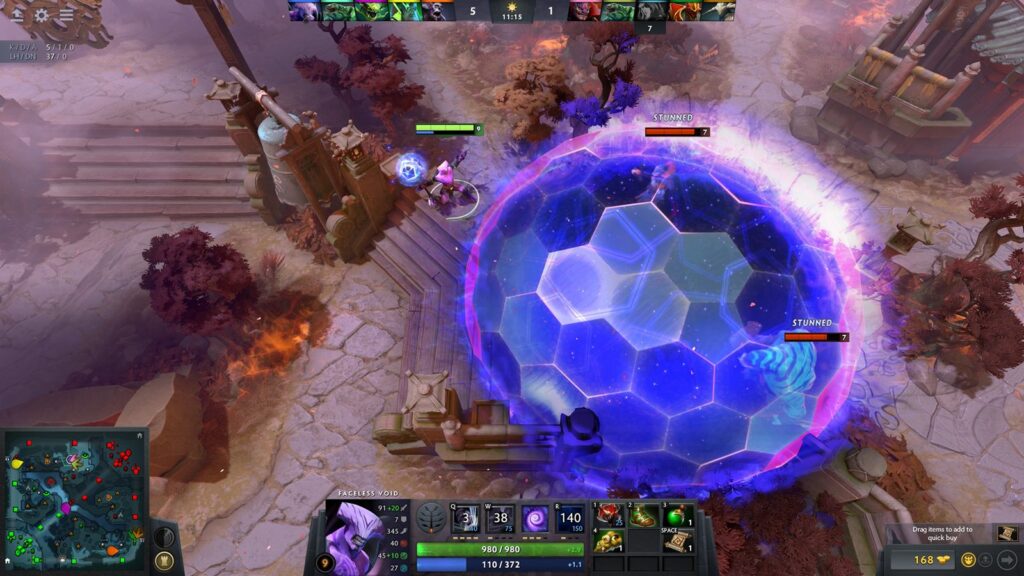
- Pos 1: Faceless Void, Juggernaut, Wraith King. Point-and-click carries that survive a rough lane and take over once online.
- Pos 2: Zeus, Queen of Pain, Storm Spirit. Heroes that roam and end games before the enemy carry comes online.
- Pos 3: Axe, Mars, Underlord. Initiators who make one pickoff snowball into a tower.
- Pos 4: Spirit Breaker, Tusk, Earth Spirit. Roamers who turn the map into your playground from minute 3.
- Pos 5: Jakiro, Lion, Warlock. Big teamfight value that does not need farm to matter.
Pick heroes that stay strong across patch cycles rather than chasing every buff. Meta shifts, and you can track what is dominant this patch on the official Dota 2 patch notes, but a hero you have 200 games on will out-earn a flavor-of-the-month pick you have played twice. In this bracket, depth of mastery beats meta chasing every time.
The mindset and behavior score gap nobody wants to hear
Your biggest MMR leak in Ancient is not mechanical, it is emotional. The cleanest climb I ever tracked was a friend who went from 4,100 to Divine 2 in about six weeks playing only Wraith King and Jakiro, and the actual secret was boring: he hard-quit after two losses in a row, every single time, no exceptions. No queuing tilted, no “one more to win it back.” That one rule was worth more than any hero pick.
Two habits move you the most here. First, respect your tilt threshold; after two straight losses your win rate on the next game craters, so stop. Second, mind your behavior score, because it quietly decides the quality of teammates you get matched with. A low score drops you into lobbies with more griefers and abandons, which is a real MMR tax you pay for flaming in chat. Mute early, communicate with pings, and your average teammate quietly gets better.
If you would rather skip the tilt-and-requeue grind entirely, our Dota 2 MMR boost team runs Ancient to Divine climbs on your account or in a duo, so you clear the wall without eating a week of coinflip games. Plenty of people use it just to get past a hardstuck patch and then take the wheel back at a fresh medal.
A realistic climb timeline
How long Ancient to Divine takes depends almost entirely on your starting win rate and how much you tilt. Here is roughly what we see, assuming you are playing a tight role and hero pool rather than fill-and-pray.
| Your situation | Games to Divine 1 | Realistic timeframe |
|---|---|---|
| Ancient 5, 55%+ win rate, tight pool | ~40 to 70 | 2 to 4 weeks |
| Ancient 3, ~52% win rate | ~90 to 140 | 5 to 8 weeks |
| Ancient 1, hardstuck, wide pool | 200+ | A full season or more |
| Ancient, tilting after every loss | Effectively never | Stuck until the habit changes |
The pattern is obvious once you see it laid out: the hardstuck player is almost never short on mechanics. They are short on discipline, playing 12 games a day and giving half of them back on tilt. Cut your session to 4 or 5 focused games, review the first 10 minutes of one loss, and the timeline compresses hard. The community over at r/learndota2 says the same thing in a hundred different threads: fewer games, more focus, one hero.
Frequently asked questions
How much MMR is Ancient to Divine?
Roughly 1,500 MMR. Ancient starts near 3,850 and Divine 1 sits around 5,420 based on public tracker estimates, so you are climbing about a medal and a half. Exact thresholds shift slightly each ranked season since Valve does not publish official numbers.
What is the fastest role to climb from Ancient to Divine?
Position 1 or position 2, for most players. Cores have the most direct control over whether a game snowballs, so a tight carry or mid hero pool climbs faster than fill. If you are genuinely better on support, stay there rather than forcing a weaker role.
How many heroes should I play to climb out of Ancient?
Three to five, no more. A narrow pool means you know your matchups, timings, and item builds cold, which matters far more than the flexibility of a 30-hero list you play at a 48 percent win rate.
Does behavior score affect my MMR climb?
Indirectly but really. Behavior score decides the quality of teammates you get matched with, so a low score means more griefers and abandons dragging your games down. Keeping it high by muting early and pinging instead of flaming is a genuine climb tool.
Why am I hardstuck in Ancient?
Nine times out of ten it is tilt and volume, not skill. Players stall by queuing too many games a day and giving back wins on emotional autopilot. Cut your sessions, quit after two losses in a row, and the wall usually cracks within a few weeks.
Is Divine hard to reach in Dota 2?
Divine and above is a small single-digit slice of the ranked playerbase, so yes, it genuinely means leaving most of the ladder behind. It is very reachable with a disciplined role, a tight hero pool, and controlled tilt, but it is not a casual weekend grind.
Ancient to Divine comes down to three things: commit to one core role, master three to five snowbally heroes, and stop queuing when you are tilted. Do those consistently and the 1,500 MMR climb is a matter of weeks, not seasons. The players stuck at this wall almost always have the mechanics already and just keep handing wins back to their own tilt.
If you want the medal without the coinflip weeks, our Dota 2 rank boost team handles Ancient to Divine climbs on your schedule, solo or duo, so you land at Divine ready to hold it.