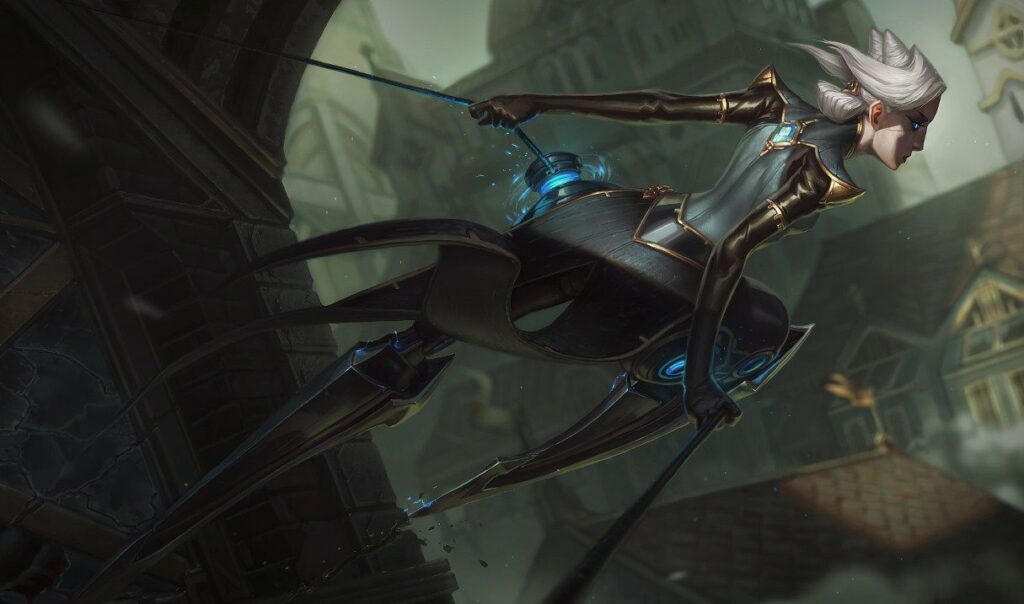
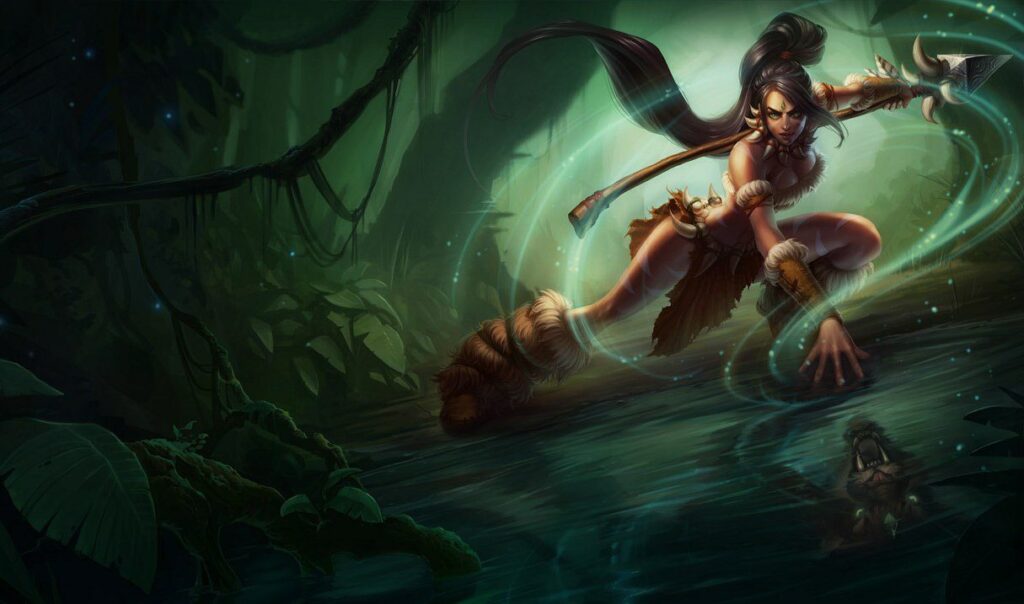
Arena is League’s 2v2v2v2 mode: four duos, eight players, a shrinking ring, and a roguelike stack of augments that turns a normal champion into a screen-clearing monster by the final round. If you want the short version of this lol arena guide, it is this: prismatic augments win games, comps that survive to the late rounds beat comps that spike early, and the augment-select screen is the real teamfight. Everything else is execution. Below is how the format actually works, the augment priority order that decides most games, the duo comps that carry, and the cameos and prisms that swing rounds you thought you had lost.
Quick honesty note before we start: Arena rotates in and out of the client, and Riot tunes it hard every patch it is live. The mechanics here are the durable ones. The specific “best” champions and augments move, so pair this with a live tracker on the day you queue.
How Arena works: the 2v2v2v2 format
Arena is a bracket brawl, not a lane game. Four teams of two get dropped into a set of small arenas, and each combat round matches two of the four duos against each other while the other two fight elsewhere. Win your round, your enemies lose a life. Lose it, you lose a life. Run a team out of lives and they are eliminated, and you place from 4th up to 1st based on how long you last.
The rhythm goes: combat round, then a shopping and augment phase, then combat again, with the arena getting smaller each round thanks to a closing ring of fire that stops anyone from stalling to full reset. Along the way you get:
- Augment rounds where you pick one power-up from a set of three (more on the priority order below).
- Anvils – stat anvils that hand you a permanent stat, and item anvils (regular, prismatic, and legendary) that offer a choice of items to build your kit.
- Cameos, where a guest champion crashes the round with a global effect.
- Gold, which you spend on items between rounds the same way you would on the Rift, just faster and without last-hitting.
The crucial mental shift from ranked: everything compounds. Your items, augments, and anvil picks carry through the entire game, so a duo that snowballs a couple of prismatic augments becomes genuinely unkillable by the last few rounds. You are not playing to win one fight. You are playing to build the strongest version of your two champions before the ring gets small. Riot documents each patch’s tuning on Riot’s game updates hub, which is the canonical place to check what changed before you commit to a comp.
Augment priority: prismatic first, then gold, then silver
The single most important skill in Arena is reading the augment screen, because a great prismatic augment is worth more than any amount of mechanical outplay. Augments come in three tiers, and they get more game-warping as you go up:
| Tier | Power level | How to treat it |
|---|---|---|
| Silver | Small, safe boosts (stats, minor procs) | Take the one that fits your damage type or fixes your weakness. Rarely game-deciding, so do not agonize. |
| Gold | Meaningful build direction (scaling, sustain, burst enablers) | This is where your comp identity gets set. Pick the augment that matches your win condition, not the highest raw number. |
| Prismatic | Game-defining (build-around transformations, huge scaling) | The most important pick of the game. A strong prismatic can carry an otherwise average duo to first place. |
The priority order is simple but people still get it wrong: a strong prismatic augment beats a perfect-fit gold, and a perfect-fit gold beats any silver. Where players lose games is greed on the low tiers – taking a flashy silver that does not synergize instead of the boring stat stick that keeps their carry alive to round eight. You also get a limited number of rerolls, so bank them for the augment rounds that matter (the prismatic ones) rather than burning them to fix a silver offering you could have just picked from.
Build-around prismatics are the real skill test. If you get an augment that rewards a specific stat or playstyle, you pivot your entire item build and anvil picks around it. That is why two players with the same champions can place 1st and 4th – one built toward their prismatic and one ignored it. For live win-rate reads on which augments are overtuned this patch, Mobalytics’ Arena tier list and U.GG’s Arena tier list both track augment and champion data, and they disagree often enough that checking both is worth the two minutes.
Best duo comps to win Arena
The comps that win Arena are not the comps that top the Summoner’s Rift ladder. Arena rewards two things Rift does not: raw duo synergy and late-round scaling. A champion that is mediocre on the Rift can be an Arena terror if it scales hard with augments, and a lane bully can flop because there is no lane to bully. The archetypes that consistently place well:
- Scaling carry plus enchanter. A hypercarry that snowballs augments, plus a shield/heal support that keeps them alive through the ring. The classic “make one person unkillable” plan. It survives to the late rounds where prismatics decide everything.
- Juggernaut plus enchanter. A bruiser or juggernaut front line that soaks damage while the enchanter pumps sustain. Brutal in the mid rounds and hard to burst.
- Double bruiser or double threat. Two self-sufficient duelists that both threaten damage, so focus-firing one still leaves a problem. Great when neither of you wants to play support.
- Burst assassin plus peel. One duo instantly deletes a target while the partner peels the counter-engage. High ceiling, punishing if the kill does not land.
The through-line is survivability into the late rounds. Arena’s variance rewards the duo that is still standing when the augments have stacked, not the one that spiked in round two. If your comp cannot answer “who lives to round eight and why,” it is probably a coin-flip comp.
| Tier | Comp archetype | Why it places |
|---|---|---|
| S | Scaling carry + enchanter | Best late-round ceiling; one unkillable carry wins the final fights |
| S | Juggernaut + enchanter | Front-to-back sustain that outlasts burst comps as the ring closes |
| A | Double bruiser | No focus-fire weakness; both threats self-peel |
| A | Burst assassin + peel | High ceiling, deletes a target before the round develops |
| B | Poke / artillery duo | Strong early, falls off once enemies buy resistances and sustain augments |
Treat that table as archetype-level, not gospel – which specific champions fill each slot moves every patch, and it differs from ladder strength. Our champion tier list by rank ranks picks for the Solo/Duo climb, which is a genuinely different question from Arena strength. A champion can be a Rift menace and an Arena filler, or vice versa, so do not port your main over and assume it works.
If Arena is your off-hours fun and the main Solo/Duo ladder is where you actually want to rank up, our League of Legends boost team handles the ranked climb on your schedule so you can spend your play time on the mode you enjoy instead of grinding placements. Same account, matched MMR, real games – the ladder handled while you queue Arena for the augment chaos.
Cameos and prisms: the round-swingers
Cameos are the wildcard that make Arena feel like a party game with real stakes. A cameo is a guest champion who drops into a combat round with a global effect that hits everyone. The exact roster rotates – Riot swaps who shows up and what they do between patches – but the durable examples give you the idea: a lantern-thrower who lets teams reposition, a champion who marks and executes low-health targets, a guest who drops a zone you have to fight around. The point is that a cameo can flip a round you were losing, so never grief out a fight just because you are behind on health. Play the cameo, not just the enemy duo.
Prisms and the early portal-style buff picks are the other layer. At the start of a game you and your duo choose an early power (Riot renames and reworks these, so confirm the current version), which nudges your whole run toward an aggressive, defensive, or economy-focused plan. It is a smaller decision than your prismatic augment but it sets the tone for how you want to build. The double-cameo rounds are where Arena earns its reputation for chaos – there is a specific flavor of dread that comes from two lantern cameos landing in the same round and nobody being sure where anyone is going to end up.
Anvils, gold, and building on the fly
Between combat you spend gold and crack anvils to assemble your build, and the anvil choices matter almost as much as augments. Stat anvils give you a permanent stat pick. Item anvils offer a choice of items – regular, prismatic, and legendary anvils escalate in what they can hand you, and a prismatic item anvil is a real power spike if you pick the item that fits your augments. The mistake here mirrors the augment mistake: people grab the shiny item instead of the one that builds toward their win condition.
The detail good players never skip: build reactively. If the two enemy duos left in the bracket are both burst comps, buy the resistance and sustain items that turn their combo into a whiff. Arena gives you the information – you can see who is left and roughly what they are running – so itemizing blind is leaving free placement points on the table. The cleanest Gladiator runs we have seen came down to one player who pivoted their whole build around a single scaling prismatic and then bought exactly the items that augment wanted, round after round, while their enchanter partner just kept them breathing. Mechanics barely came into it.
Where Arena gets frustrating
Arena is not all upside, and pretending it is would be dishonest. The weaknesses are real:
- Augment RNG. Sometimes the game hands your comp three off-plan prismatics while the enemy duo gets a perfect build-around. Rerolls soften this but do not erase it – Arena has a variance floor that ranked does not.
- Balance whiplash. Because Riot tunes Arena aggressively and it is a side mode, a duo that is S-tier one patch can be unplayable the next. Any tier list, including the one above, has a short shelf life.
- It does not teach macro. No waves, no vision, no objectives, no split pushing. If you are trying to climb the Rift ladder, Arena sharpens your teamfighting and itemizing but does nothing for the macro that actually decides ranked games.
- Duo dependency. A great player with a checked-out partner will place worse than two average players who coordinate. Arena punishes solo queuing into it more than most modes.
Frequently asked questions
What is the best duo comp in LoL Arena?
A scaling carry paired with a peeling enchanter, or a juggernaut plus enchanter front-to-back – archetypes that survive to the late rounds where prismatic augments compound. The exact champions rotate every patch, so cross-check Mobalytics or U.GG’s Arena tier list on the day you queue.
How do augments work in Arena?
Each augment round you pick one of three offered augments, in ascending tiers of Silver, Gold, and Prismatic. Prismatic augments are the most powerful and usually decide the game. You get a limited number of rerolls, so save them for the prismatic rounds.
What is the highest rank in Arena?
Gladiator is the top Arena rating. It is tracked separately from Solo/Duo and Flex, and it is cosmetic – Arena rating does not grant end-of-season ranked rewards.
How many players are in an Arena game?
Eight, split into four duos in a 2v2v2v2 bracket. Each combat round pairs two of the four teams, and a team is eliminated once it runs out of lives.
Do you keep your items and augments between rounds?
Yes. Arena is a roguelike build-up – gold, items, anvils, and augments all carry through the whole game and compound. Losing a round costs a life, not your build.
Is Arena good for practicing ranked?
For teamfighting, focus targeting, and itemizing on the fly, yes. For laning and macro, no – Arena removes those entirely, so treat it as combat practice rather than ladder practice. The community consensus in the r/leagueoflegends thread on why Arena clicks is that it scratches the fighting itch without the laning grind.
To recap: Arena is won in the augment-select screen. Prioritize prismatic over gold over silver, build your whole run around your best build-around augment, pick a comp that survives to the late rounds, and play the cameos instead of griefing lost fights. Chase Gladiator if you love the mode – just remember the rating is cosmetic and separate from your ranked profile, the same way Arena wins do not count toward the season rewards breakdown for Solo/Duo.
And if the main ladder is where you actually want the rank but your play time keeps getting eaten by “one more Arena game,” let our team take the Solo/Duo climb off your plate – matched-MMR boosters, real games, the account back the moment your target tier locks. Play Arena for the chaos, and let the grind that matters get handled.