Winning R6 drone intel is the cheapest free win in the game: the round is usually decided before a single bullet flies, and the team that knows where the defenders reinforced, where the anchors sit, and which gadget is watching the door plays the next 45 seconds with the map turned face-up. Attack starts the prep phase with a fresh drone each, and how you spend those seconds is the single biggest gap between a hardstuck Gold and someone actually climbing. Below is the droning routine top players run on autopilot: where to park the thing so it lives, which operators turn intel into free kills, and how to make the enemy play blind on defense.
What R6 drone intel actually buys you
Intel is the currency the whole round runs on. Every piece you gather answers a question you would otherwise pay for in bodies: which floor is the objective on, where did they reinforce, is there a Bandit battery on the wall you wanted to breach, is the anchor holding deep or repositioning. Drone that out in prep and you turn a coinflip push into a scripted one.
The flip side is just as real. A defender who lets your drone roll unbothered has handed you their whole setup, and a good attacker will read a room from one clean drone pass: gadget placements, headcount, the little animation tell of someone reinforcing a specific wall. That is why intel denial matters as much as intel gathering, and why the best rounds are quiet drone-vs-camera chess long before anyone swings a corner.
The habit that separates ranks is simple to say and hard to do: never stop droning. Not just prep, not just the first ten seconds of action. The stack that always knows where the enemy is rotating is the stack that always seems to have a man free for the trade.
The prep-phase droning routine that separates ranks
Spend prep finding the objective first, the setup second, and never dying with your drone last. Those are the three jobs, in that order, and rushing to job two before finishing job one is the classic Silver mistake. You want to know which site they picked before you care what gadgets are on it, because the site call decides your spawn peek, your rotation, and where the other four drones should be looking.
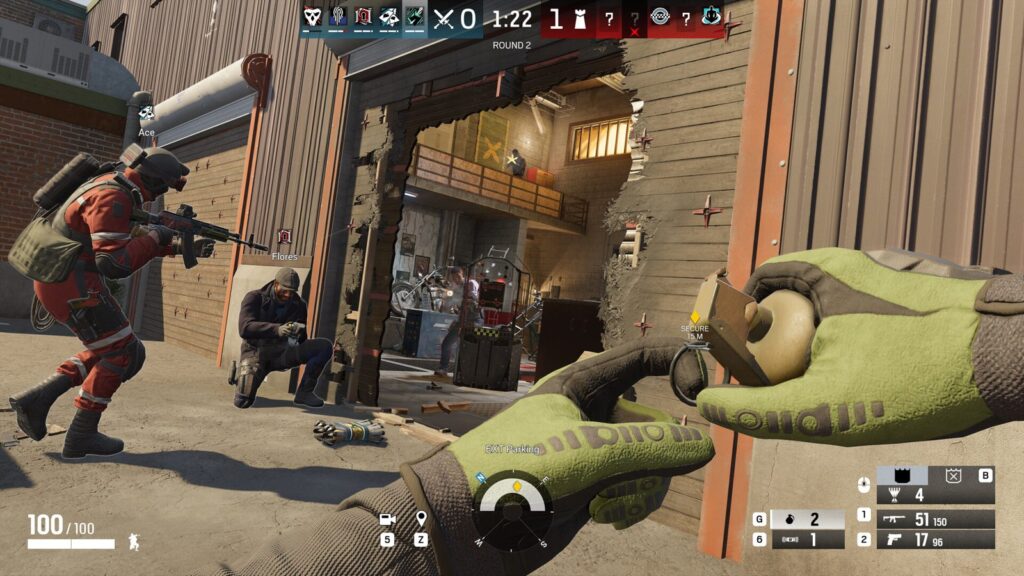
Here is the routine, start to finish. The second prep opens, sprint your drone toward the most likely objective rooms. The instant the objective reveals, stop chasing headcount and start reading the setup: reinforced walls, hatches, gadget silhouettes, where bodies are sitting. Around the 15-second mark, stop pushing your drone deeper and start driving it back toward the entry point you actually want to use, because a drone that dies deep in the site at 0:44 taught you nothing you can use in the action phase.
The most valuable thing you can do is keep the drone alive. A drone parked in a smart spot at the end of prep becomes a free camera for the entire round, and that is worth more than one extra gadget spotted. If defenders never shoot it, you get to repick angles, call rotates, and watch flanks with a unit you already spent. Lose it to a Mozzie or a lazy peek and you have thrown away the one piece of kit that keeps paying out.
Where to park your drone (and where not to)
A good drone spot sees a lane you cannot watch with your body and survives a defender walking past it. That is the whole test. You want elevation, a shadowed corner, and a sightline onto a flank route or the objective entrance, not a hero position sitting in the open middle of the room where the first Vigil main deletes it on his way to coffee.
| Good drone parking | Why it lives and earns | Bad drone parking |
|---|---|---|
| Tucked in a dark corner watching a flank stairwell | Catches roamers and flankers you cannot see with your body | Center of the objective room in plain sight |
| Behind furniture aimed at the plant spot | Confirms a clear plant without pushing a teammate in | On open floor next to a reinforced wall |
| Elevated on a ledge or shelf covering a doorway | Wide sightline, awkward angle for defenders to clear | Right beside a Mozzie or in an obvious pest lane |
| Just outside a soft wall you plan to breach | Calls the anchor the instant they repeek | Middle of a hallway defenders rotate through |
One more rule: split your drones as a team. If all four attackers pile their drones into the same room, you have one angle and four dead cameras. Assign lanes in prep like you would assign utility, and suddenly the whole map is lit up instead of one corner of it.
Intel operators worth droning for
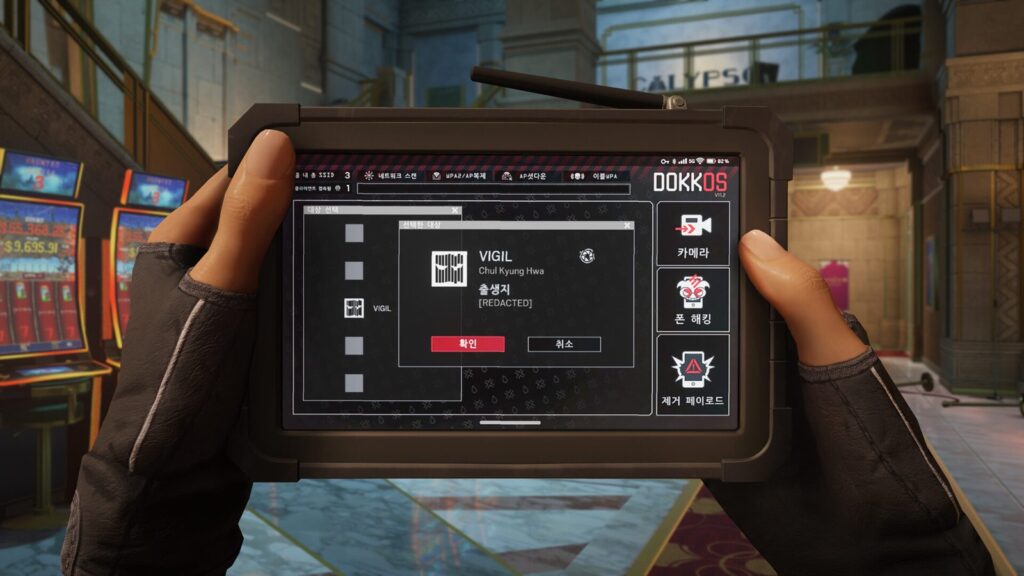
Some operators are droning with a gun attached, and picking one is often the difference between guessing and knowing. Twitch runs a shock drone that survives into the action phase and zaps defender gadgets. Zero drops Argus cameras through walls to watch angles no drone can reach. IQ literally sees electronics through walls, Jackal tracks roamer footprints, and Dokkaebi hacks defender phones to expose their cameras. On the other side, the counter-intel roster exists to make your drones and cameras useless.
If you are still learning who does what, our rundown of the best R6 operators for beginners pairs cleanly with this, since half of getting value from intel is picking someone who generates it without needing pro-level aim.
| Intel gatherers (attack) | What they give you | Intel deniers (defense) | What they take away |
|---|---|---|---|
| Twitch | Shock drone that lives into action phase and kills gadgets | Mute | Jammers block drones and disable scanning near walls |
| Zero | Through-wall Argus cameras for permanent angles | Mozzie | Steals your drones outright with Pest launchers |
| IQ | Sees defender electronics and gadgets through walls | Vigil | Invisible to attacker drones while his gadget is active |
| Dokkaebi | Hacks phones, revealing defender camera feeds | Bandit | Batteries deny hard-breach and punish nearby drones |
| Jackal | Tracks and pings roamer footprints | Valkyrie / Maestro | Extra cameras that out-intel your entry |
You do not need one of each every round, but a team with zero dedicated intel is a team playing the round blind and hoping their aim bails them out. It usually does not.
If grinding drone discipline round after round is not how you want to spend your evenings, our Rainbow Six Siege ranked boost team can move your MMR to Emerald, Diamond, or Champion while you keep the account, and the boosters droning your climb are the same players who wrote the habits above. Think of it as a shortcut past the plateau, not a replacement for learning the game.
Denying enemy intel on defense
Killing attacker drones is worth exactly as much as gathering intel yourself, and most Copper-to-Gold defenders ignore it entirely. Every drone you shoot in prep is a piece of your setup the attackers never get to see, which means their spawn peek is a guess and their entry is a prayer. Shoot the drones, then reinforce, in that order when you can afford the split second.
The tools are already on your defenders. Mute jammers stop drones dead and hide reinforcing animations from prying cameras, so drop them on the walls you actually care about. Mozzie converts enemy drones into your own free cameras, which is the closest thing this game has to stealing the other team’s homework. Vigil walks the flank routes invisible to drones, and a smart Vigil roams the exact lanes attackers love to park cameras in. Beyond operators, build the reflex: hear a drone, hunt the drone, kill the drone. A defense that lets four drones live has already lost the intel war.
The one that stuck with me was a ranked match on Clubhouse where our stack lost the first two rounds badly, then one of our anchors started calling out and shooting every single drone in prep. Nothing else changed, same operators, same site. We won the next five straight because the attackers were suddenly entering blind into setups they had never seen. Intel denial is that swingy, and almost nobody at low ranks bothers with it.
Drone-phase habits by rank
The gap between ranks is less about aim than about how much free information each player is willing to gather. Here is roughly what the droning discipline looks like as you climb, based on what we see on ranked ladders and boosting orders across the current season.
| Rank band | Typical droning habit |
|---|---|
| Copper to Bronze | Drones once, dies deep, plays the round blind |
| Silver to Gold | Finds the objective but wastes the drone before action phase |
| Platinum to Emerald | Keeps the drone alive, calls rotates, splits lanes with teammates |
| Diamond to Champion | Constant re-droning mid-round, shoots enemy drones, weaponizes denial |
Notice that not one of those rows is about crosshair placement. If you want the fastest single fix to climb, it is not a new sensitivity, it is droning three times as much as you do now and refusing to lose the drone in prep. For the exact rank names and MMR bands, Ubisoft lays out the system in its Ranked 2.0 explainer, and sites like Siege.GG keep solid droning breakdowns worth a read.
Frequently asked questions
Should I drone or reinforce first in prep?
On attack you drone, on defense you usually reinforce, but split a second to shoot attacker drones when you hear them. A defender who reinforces with four enemy drones watching has just reinforced on camera.
How do I keep my drone alive for the action phase?
Stop pushing it deep after the 15-second mark and drive it back toward a safe, elevated corner near your entry point. A drone parked in a dark spot watching a flank survives the round and works as a free camera the whole time.
Which operator is best for intel?
Twitch and Zero give the most durable intel because their gadgets survive into the action phase, while Jackal and Dokkaebi are strongest against roam-heavy defenses. Pick based on whether you need permanent angles or roamer tracking.
How do I stop enemy drones from seeing my setup?
Mute jammers block drone signals and hide reinforcing, Mozzie steals drones outright, and Vigil roams invisible to them. Beyond gadgets, build the reflex to hunt and shoot every drone you hear in prep.
Does droning really matter more than aim for climbing?
Below Diamond, yes for most players. Aim closes rounds you are already in, but intel decides which rounds you enter with a man advantage, and consistent droning is the habit that most reliably separates a hardstuck Gold from a climbing one.
How often should I re-drone during a round?
Constantly. Top players re-drone every time the situation changes, before a push, after a trade, on any rotate call. The stack that always knows where the enemy is has a free trade waiting on every duel.
Drone intel is the highest-value habit in R6 and the one most players skip: find the objective first, read the setup second, and never lose your drone before the action phase. Add intel denial on defense and you flip half your rounds on information alone, no aim upgrade required. When you would rather skip straight to the rank your game sense deserves, our Rainbow Six Siege rank boost handles the climb to Emerald, Diamond, and Champion on your schedule, run by players who drone for a living.